Why Allocators Pass on You Before the First Meeting

By Dan Sondhelm
A strong introduction reaches an allocator who backs your kind of fund. The email gets opened, and then nothing comes back.
You tell yourself the strategy wasn't a fit, or the timing was wrong, and you move to the next name on the list. What happened was simpler than that. Before the allocator decided whether to reply, they looked you up, and what came back told them not to bother.
You never saw it happen, which is the trouble with the most important screen in any capital raise. It runs without you in the room.
The Search You Never See
Every founder raising a private fund knows the formal diligence process, the forty-page questionnaire, the reference calls, and the operational review that treats your back office like a forensic exam. You prepare and staff for all of it.
The screen that decides whether you ever reach that stage is the one nobody prepares for. An allocator hears your name from a peer, a capital introduction, or a panel, and the first thing they do is type it into a search bar. In a 2025 survey of 400 limited partners reported by FundFire, 97 percent said they regularly find new managers through public channels. Almost none of them wait for your deck, and they go looking first.
Allocators vet you in public before any relationship starts, and what you control is what they find when they look.
Same Pedigree, Opposite Outcome
Picture two founders raising a first fund. Both spun out of larger firms with a strong track record, a disciplined process, and a clear edge, and on paper they are interchangeable.
The first does everything right on the raise. A partner lines up a warm introduction to a family office that backs this kind of manager, and the allocator does what allocators do before a first call. They search, and what comes back is a one-page website built the month before, a LinkedIn profile still listing the old firm, and a fund name that returns nothing. No commentary, no coverage, and no sign the manager exists outside his own pitch. The call never gets scheduled, and the founder assumes the strategy wasn't a fit, never learning he was cut in ninety seconds by a search he didn't know was happening.
The second spent the prior year making herself useful to a few reporters who cover her corner of the market. She earned a feature on the launch that walked through her background and the thinking behind the strategy, added a quote when a sector dislocation hit, published a short piece under her own name on what she saw in the data, and kept a LinkedIn feed active with sharp, specific observations. When the same kind of allocator looks her up, they find a credible voice in the space before the first email is returned. The coverage didn't raise a dollar, but it got her into the room already half-trusted, so the conversation began from credibility instead of zero.
Same pedigree, same strategy, and opposite outcomes. The only variable was what an allocator found when they searched.
The Reputation You Think You Have
Most founders push back here. You run money, not a marketing department, and you figure your returns and background speak for themselves while the rest is noise for bigger firms with marketing budgets.
Returns get you considered, but they rarely close the decision. When those limited partners ranked what matters most in choosing a new manager, the top answer was a positive public perception of the firm's leader, named by 41 percent, up from fifth place a year earlier. A high-quality leadership team came second at 40 percent, and a leader's visibility and media presence rated as a critical differentiator for 28 percent, the same share that named track record and performance. Among the people deciding where the capital goes, a manager's public presence pulls even with the numbers.
The consultants who advise on these decisions put the logic plainly. Returns look backward while the reputation of the people running the firm looks forward, and an allocator committing to a private fund is signing up for a relationship that can run a decade or more, reading every signal about who you are first.
The cruelest version hits the founders most convinced they are immune. A manager who spent years at a name-brand shop, quoted and profiled and visible across the industry, comes to believe the visibility was his. It never was. The firm had a communications team whose job was to make its people findable, and he was the talent others built the presence around. When he spins out, the pedigree comes along and the machine stays behind, so the new firm's name returns nothing an allocator can use until he builds that presence again himself.
The Capital Is Going to Names People Know
This would matter less if capital were spreading out, but it is doing the opposite. Capital keeps concentrating with the largest managers, and the share going to smaller funds keeps shrinking. McKinsey's latest private markets report shows funds under $500 million raised 17 percent of total fundraising in 2020, and by 2025 that figure had fallen to 13 percent. The biggest platforms keep pulling in a larger slice while smaller and first-time funds compete for what's left.
The same report warns that smaller vehicles lose the traction they once had without clear differentiation, and it raises pointed questions about whether a manager has access to the right capital channels and is distinct enough to thrive. McKinsey stops at the diagnosis. We go further. The differentiation and access it describes come from marketing and a brand an allocator can find and trust, built before the raise rather than during it. The skills that raise capital today reach beyond the portfolio.
If you are a founder in this part of the market, the math is unforgiving. Allocators have more managers to choose from and a habit of moving capital toward names they recognize, so an emerging manager who can't be found isn't competing on equal terms. He was ruled out before he knew he was in the running.
Start With the Pages You Control
This is the layer you own, and it costs a few days and nothing else. When an allocator hears your name, they search before they reply, pulling up your website, your LinkedIn, and whatever else exists. They want to confirm that you run the fund they were told about, that your background fits the strategy, and that nothing contradicts the introduction that sent them looking.
For a founder who spun out of a known firm, this is where the raise quietly leaks. Often there is no website at all. When there is one, it looks like your teenage nephew built it, or it went up to check a box, a site that exists rather than one built to engage investors. The bio still headlines the old shop, and the LinkedIn went quiet the month you launched. Each of those tells an allocator the operation is not ready for their money, and they move on without a word.
A current presence does the reverse. The site names the fund you are raising now and says in plain terms what it does. Your bio is built around this fund, the prior firm sitting underneath as supporting credibility rather than the headline, and your LinkedIn stays active and tells the same story. None of it takes a budget or an agency, and you can fix the whole layer in a week. Once it is right, the search stops working against you and starts confirming what the introduction promised.
There is a ceiling to this. Your own pages prove you exist, but they cannot prove that anyone outside your firm believes in you, because you wrote every word of them. The credibility an allocator weighs most is the kind you cannot publish about yourself.
Where Credibility Comes From
It comes from the news media, and it costs nothing but your time. These are conversations you are equipped to have right now, because they are about what you think about all day. There are three ways in.
Talk to reporters about your background, your launch, and why your fund exists. The ones who cover private markets need voices who hold a position and have a view, and a founder with conviction and a clear story is more useful to them than most of what they hear in a week.
Become a source on the asset classes, sectors, and deals you live in, since many reporters cover a beat rather than a single firm. When one needs someone who understands private credit or secondaries, you want to be the name already in their contacts, and that happens through a few early conversations where you are helpful rather than promotional.
Ride the news when your investments are the news, and move before the window closes. SpaceX is the obvious example. For years it stayed private while climbing toward what became the largest IPO in history, and the managers who held it had a rare opening to be the voice on a company drawing nonstop coverage. That window closed in June 2026, when SpaceX went public and the conversation passed to the mutual funds that now own it. So when a company in your book is private and turning into news, that is your moment to explain why you are in it, and it ends the day the company belongs to the public market.
Which outlets matter depends on what you run. A hedge or alternatives manager thinks about Institutional Investor, Opalesque, FundFire, and With Intelligence, while private equity, private credit, and real estate founders each read a trade press built around their own beat. Nearly everyone in private markets sees the Wall Street Journal, Bloomberg, and Barron's, where one mention reaches allocators across every asset class.
One worry stops a lot of managers before they start, and it is compliance. Raising a private fund comes with rules about solicitation and performance claims, so the safe-looking move is to say nothing in public. The line is more workable than it looks. Talking to a reporter about a sector, a deal, or how you read the market is commentary rather than an offer, as long as you stay away from fund performance, return targets, and anything that sounds like a pitch. Treat public remarks the way you treat any outward communication. Run them by compliance, keep them about ideas rather than the fund, and you can build a presence without crossing a line.
What One Reporter Relationship Gives You
A single placement looks like a small win, but a reporter relationship works differently, because it pays you more than once and keeps paying.
Once a journalist trusts you, they think of you first when a story breaks on their beat, so coverage starts coming to you. It runs the other way too, since you can bring a reporter a good idea and the support to make the piece work, which most managers never try. The day a story runs, you borrow the publication's audience, and long after, you keep its credibility and put it to work in your decks, your emails, and your conversations with allocators. The coverage stacks up on a news page on your own site, which becomes what an allocator finds when they look you up, and every piece becomes timely content you can send in an email or post to your feed. That is a return most marketing spend never matches.
Coverage gets your name in front of an allocator, but it won't, by itself, win the allocation. The full diligence still decides that, and it should. Visibility gets you into the conversation, so the work you have already done on the portfolio gets a chance to speak.
None of this asks you to think about logos or taglines. It asks you to be useful to the people who shape what allocators find, and the presence builds as a byproduct. When an LP runs your name, the work shows up on its own. In the same LP survey, 31 percent of allocators said they learn about managers through industry publications, 27 percent through industry awards, and 23 percent through conferences. The room you are standing in is one of those channels, along with the panel you sat on and the article that carries your byline.
Two Founders, Two Outcomes
Go back to the two founders. A year from now, one of them is the name an allocator recognizes when a peer mentions the fund, the one whose search results back up every introduction her partner makes. The other is still doing strong work in private, still assuming the next stalled meeting was about fit or timing, and still invisible at the moment someone is deciding whether to take him seriously.
You are becoming one of those two founders right now, in the conversations you are having or not having with the people who cover your market. The capital is moving toward managers allocators can find, and the only question is whether they can find you.
You've done the work on the portfolio, and the raise sits with you and your partners. When an allocator looks you up, there isn't enough behind your name to move them from curious to convinced.
If that sounds familiar, set up a strategy session with me. We'll look at what an allocator finds when they search your firm today, what's missing, and the few moves that would put a credible presence behind your name over the next six months. No deck, no pitch, just a straight read on where you stand and what to do about it.
Dan Sondhelm is the CEO of Sondhelm Partners, a firm that helps boutique fund managers attract investors, start conversations with allocators, and build recognizable brands in crowded markets. Much of that work comes down to what this article is about, making sure a strong manager is easy to find the moment an allocator goes looking.
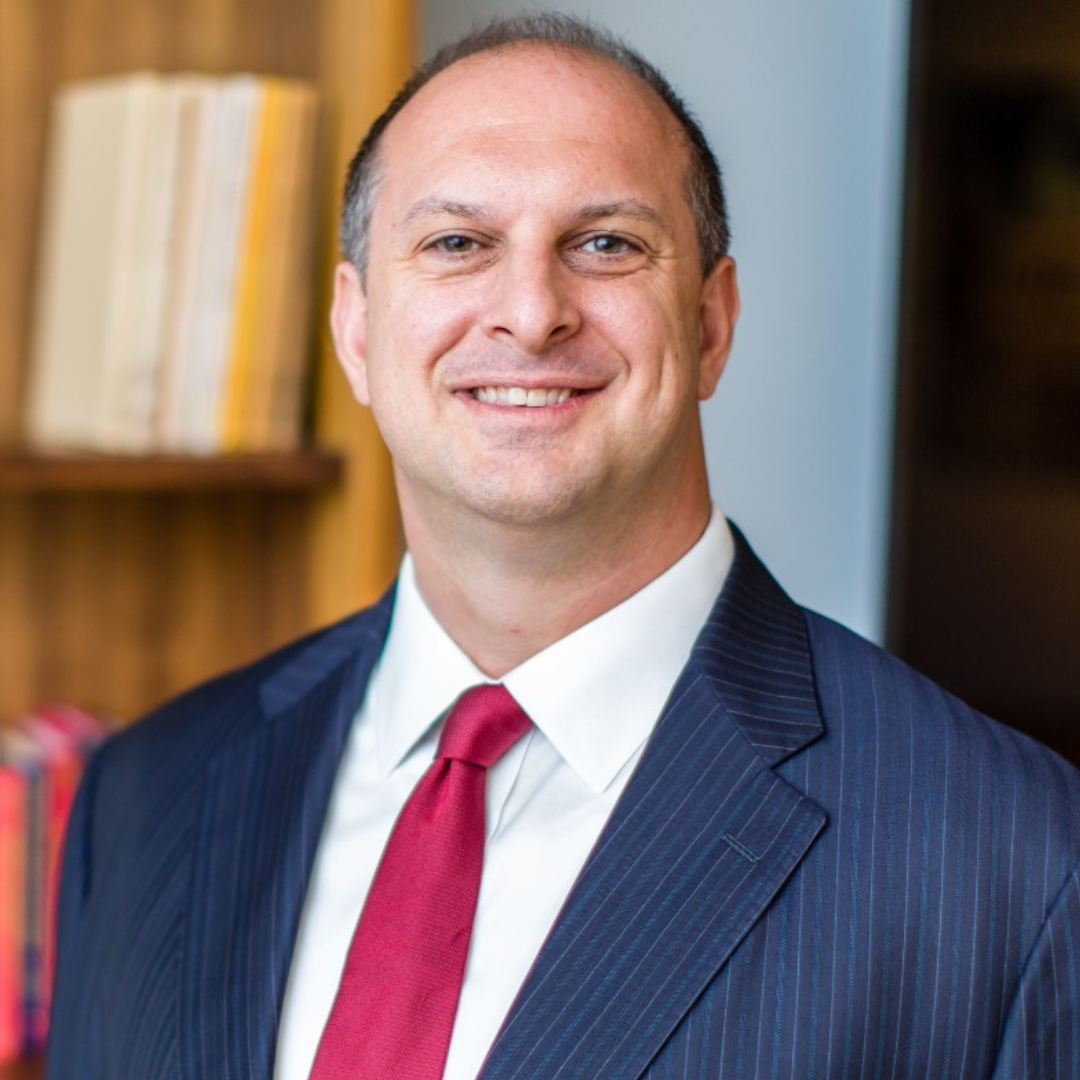
Dan Sondhelm
CEO
Sondhelm Partners
Sondhelm Partners helps boutique asset managers and private fund managers build visibility, establish credibility, and get in front of the investors that matter. We work with emerging and established managers to sharpen their story and create the kind of presence that turns attention into allocations. Our team brings 30 years of experience helping managers at every stage compete and win against firms many times their size.